In a world where stress and anxiety have become daily companions for many, finding effective ways to relax and refocus is crucial. Mandala coloring has long been recognized for its therapeutic benefits. But have you heard of Reverse Coloring? This innovative approach, which involves starting with a colored page and then transforming it into a drawing, is gaining popularity. But, specifically, Is Reverse Coloring effective against anxiety? Let's dive into this fascinating world together to discover the answers.
Reverse Coloring: Break Through the Boundaries of Traditional Coloring
What is Reverse Coloring?
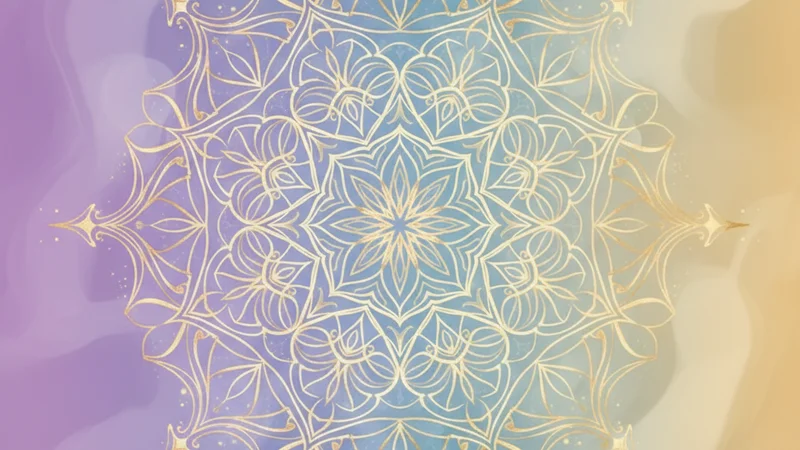
Reverse coloring is a creative technique that reverses the traditional coloring process. Instead of coloring a pre-existing drawing, you start with a page that is already colored (often with random patterns or splashes of color) and use these colors as a guide to create your own artwork. You can draw lines, add details, and transform existing shapes into something completely new. It's a bit like finding shapes in the clouds, but with a pencil in hand!
Why this method inversion?
The appeal of Reverse Coloring lies in its ability to stimulate creativity and encourage non-linear thinking. Unlike traditional coloring, where you are guided by the lines of a pre-established drawing, Reverse Coloring gives you complete freedom. You are not limited by outlines or expectations, which can be particularly liberating for people with anxiety.
Anxiety and Creativity: A Surprising Duo
Understanding the link between anxiety and creative expression
Anxiety can often manifest as a feeling of loss of control, mental rumination, and tension. Creative expression, on the other hand, offers an outlet for these emotions. By focusing on a creative activity, you can divert your attention from anxious thoughts and immerse yourself in the present moment. It is a form of active meditation that calms the mind and reduces stress.
How can Reverse Coloring help manage anxiety?
Is Reverse Coloring effective against anxiety? Here are some ways this practice can help you:
- Stress reduction: The act of creating, even from a pre-existing base, can help reduce the level of cortisol (the stress hormone) in the body.
- Improved concentration: By focusing on colors and shapes, you can calm the incessant flow of anxious thoughts.
- Stimulation of creativity: Reverse Coloring encourages you to think outside the box and explore new ideas, which can boost self-confidence and a sense of accomplishment.
- Expression of emotions: The creative process allows you to express repressed emotions or emotions that are difficult to verbalize.
- Feeling of control: Even if you start with a page that is already colored, you have complete control over the direction your work will take. This sense of control can be particularly beneficial for people with anxiety.
Reverse Coloring against anxiety: The Scientific Evidence
What science says about coloring and anxiety reduction
Although specific research on Reverse Coloring is still limited, numerous studies have demonstrated the benefits of coloring in general on anxiety reduction. A study published in the Journal of the American Art Therapy Association found that coloring mandalas could significantly reduce anxiety levels in participants. Other studies have shown that coloring can improve mood, reduce stress, and promote relaxation.
Reverse Coloring: a promising approach?
Although more specific research on Reverse Coloring is needed, it makes sense to think that this approach may offer similar, or even greater, benefits than traditional coloring. Indeed, Reverse Coloring further stimulates creativity and imagination, which can have an even greater impact on anxiety reduction. The "discovery" and "transformation" aspect of an existing image can be particularly rewarding and soothing.
How to Integrate Reverse Coloring into Your Anti-Anxiety Routine
Practical tips for starting Reverse Coloring
Ready to try Reverse Coloring? Here are some tips to get you started:
- Choose your tools: You will need pages that are already colored (you can create them yourself using markers, colored pencils, or paint), pencils, fine-tipped markers, ink pens, and any other art supplies you like to use.
- Start simple: Don't put pressure on yourself to create a perfect work of art. The goal is to relax and have fun.
- Let the colors guide you: Carefully observe the existing colors and shapes and let yourself be inspired.
- Experiment: Don't be afraid to try new techniques and step outside your comfort zone.
- Create a relaxing environment: Find a quiet and comfortable place where you can relax and focus. Put on soft music, light a scented candle, and prepare a cup of tea.
Making Reverse Coloring a daily habit
To fully enjoy the benefits of Reverse Coloring on anxiety, try to make it a daily habit. Even 15 to 20 minutes a day can make a big difference. You can incorporate Reverse Coloring into your morning routine, your lunch break, or your evening ritual before going to bed.
Reverse Coloring and Mindfulness: A Powerful Duo
Reverse Coloring as a mindfulness tool
Mindfulness involves paying particular attention to the present moment, without judgment. Reverse Coloring can be an excellent tool for practicing mindfulness. By focusing on colors, shapes, and textures, you can anchor yourself in the present moment and forget your worries. Observe the sensations in your hands as you hold your pencil, the colors that mix on the paper, and the shapes that emerge from your imagination. Let your thoughts come and go without attaching to them, and simply focus on the act of creating.
Combining Reverse Coloring with other relaxation techniques
To maximize the benefits of Reverse Coloring on anxiety, you can combine it with other relaxation techniques, such as:
- Meditation: Practice meditation before or after your Reverse Coloring session to calm your mind and reduce stress.
- Deep breathing: Take a few deep, slow breaths before you start coloring to relax.
- Yoga: Yoga can help release physical tension and improve your mood.
- Writing: Keep a journal to express your thoughts and emotions.
Reverse Coloring: More Than Just a Trend
Is Reverse Coloring effective against anxiety? Yes, it seems that this practice offers considerable potential for reducing stress, stimulating creativity, and promoting relaxation. Although more scientific research is needed, the testimonials of people who have experienced Reverse Coloring are encouraging. So why not try it yourself? Unleash your imagination, explore new colors and shapes, and discover the benefits of this creative approach on your well-being.
And if you are looking for inspiration for your coloring sessions (traditional or reverse!), don't hesitate to explore our collection of beautiful mandalas. They are designed to help you relax, refocus, and express your creativity. Get coloring!