Mandala Categories
Forty-two themes, from the sparsest to the densest. If you are unsure where to start, begin with the level: it decides whether a page takes twenty minutes or three evenings. The theme comes second, according to the mood.
By level and age
The first useful sort: line density and the size of the areas to fill.

Easy Mandala
Simple mandalas to color for beginners and kids. Basic patterns perfect to start.
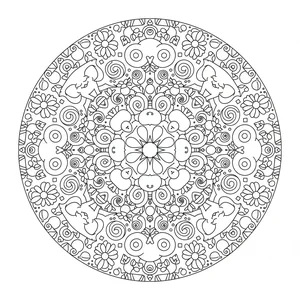
Kids Mandala
Easy mandalas for kids to color. Fun and educational patterns, perfect from age 4.
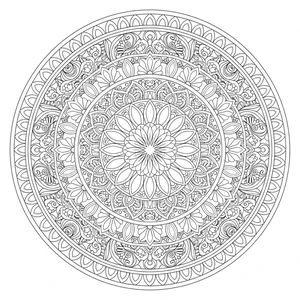
Adult Mandala
Anti-stress mandalas for adults. Relaxing coloring pages to release daily stress.

Hard Mandala
Complex and detailed mandalas for experienced colorists. Creative challenge guaranteed.
Holidays and seasons
To print at the right time of year, for the classroom or the kitchen table.
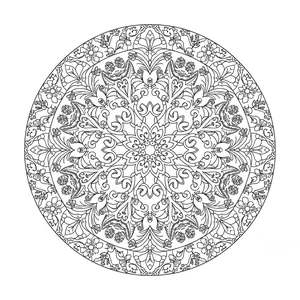
Spring Mandala
Explore our spring mandalas to color! Floral patterns, spring animals and relaxing designs to print for free.
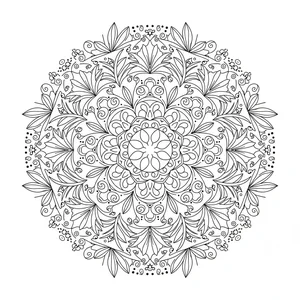
Summer Mandala
Dive into summer with our coloring mandalas! Summer-themed designs for creative relaxation. Download and print for free.

Autumn Mandala
Immerse yourself in the autumn atmosphere with our fall-themed mandalas to color. Relax and express your creativity!
Winter Mandala
Discover our beautiful winter mandalas to color! Ideal for relaxation and creativity during the cold months.
Christmas Mandala
Festive Christmas mandalas: trees, stars, snowflakes. Perfect for the holidays.
Halloween Mandala
Spooky Halloween mandalas: pumpkins, ghosts, witches, bats. Guaranteed chills!
Easter Mandala
Spring Easter mandalas: decorated eggs, bunnies, flowers. Celebrate spring in colors.
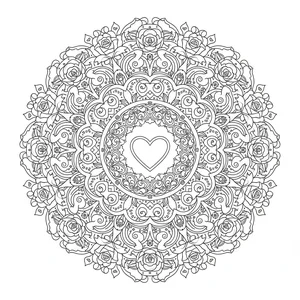
Valentine Mandala
Express your love with our Valentine's Day mandalas to color! Find the perfect mandala for a relaxing and creative activity.
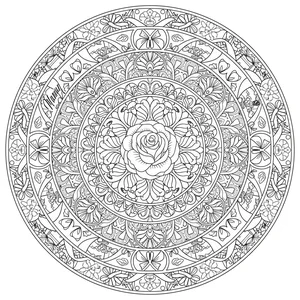
Mother's Day Mandala
Celebrate Mother's Day with relaxing mandala coloring pages! Print free designs and show your love through colorful art.
Animals and creatures
A recognisable figure at the centre, ringed by abstract patterns.

Animal Mandala
Animal mandalas to color: lions, elephants, butterflies, owls. Free and printable.
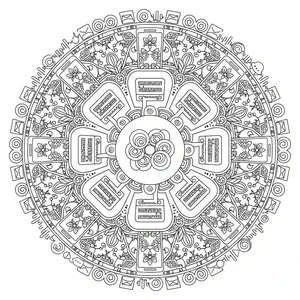
Cat Mandala
Mandala Chat: Free coloring mandalas for relaxation and creativity. Print, relax, and color!
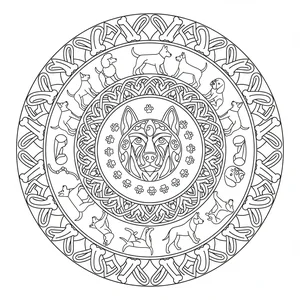
Dog Mandala
Dive into zen with our dog mandala coloring pages. Relaxation and creativity guaranteed!
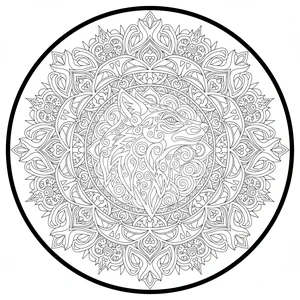
Wolf Mandala
Immerse yourself in the wild beauty with our wolf mandala coloring pages. Relax and express your creativity!
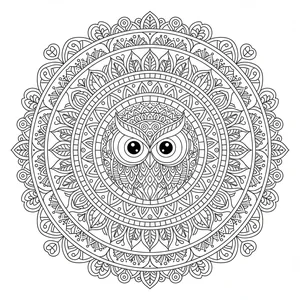
Owl Mandala
Discover our beautiful owl mandalas to color! Ideal for relaxation and creativity. Free download and print.
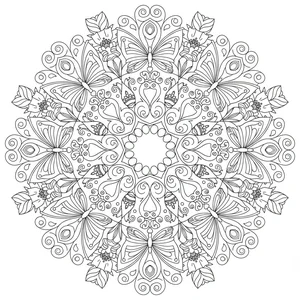
Butterfly Mandala
Elegant butterfly mandalas with detailed wings. Symbol of transformation and freedom.

Unicorn Mandala
Dive into magic with our unicorn mandalas to color! Unleash your creativity and relax with these enchanting designs.
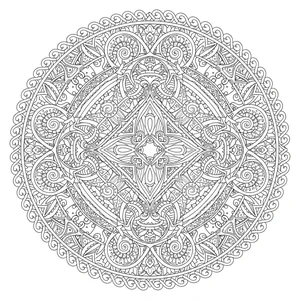
Dragon Mandala
Dive into the fascinating world of dragon mandalas! Unique designs to color for relaxation and creativity.
Nature and cosmos
Flowers, skies and landscapes, usually the most generous in large areas.
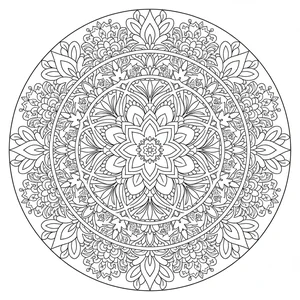
Flower Mandala
Beautiful floral mandalas with roses, lotus and flower patterns. Free to print.
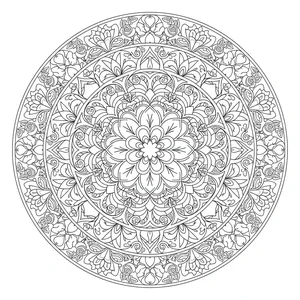
Nature Mandala
Nature-inspired mandalas: leaves, trees, waves, mountains. Connection to Earth.
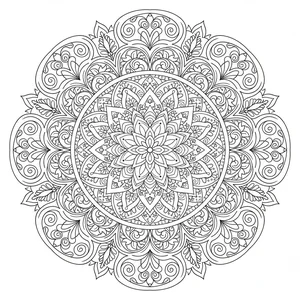
Lotus Mandala
Discover our Lotus Mandala coloring pages! Guaranteed relaxation and creativity. Easy download and print.
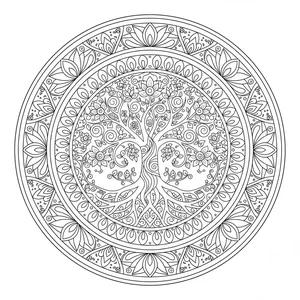
Tree of Life Mandala
Discover our beautiful Tree of Life mandalas to color. Find inner peace and express your creativity by coloring these spiritual symbols.
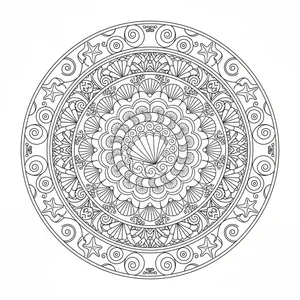
Ocean Mandala
Dive into serenity with our Ocean mandalas to color. Relax and unleash your creativity!
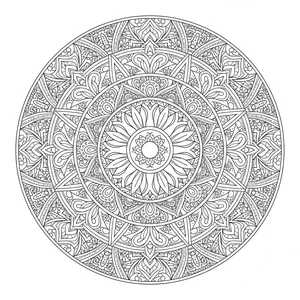
Sun Mandala
Discover free Sun Mandala coloring pages! Relax and unleash your creativity with our unique designs.
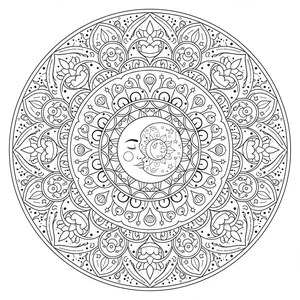
Moon Mandala
Explore the magic of moon mandalas! Free coloring mandalas for relaxation and creativity. Print and relax.
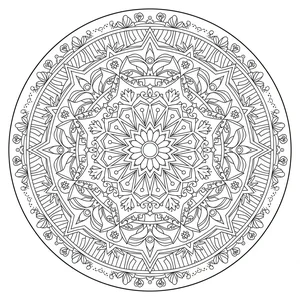
Star Mandala
Shining and cosmic star mandalas. Celestial patterns for dreamers and astronomers.
Styles and traditions
Precise vocabularies of form, from geometric to traditional motifs.
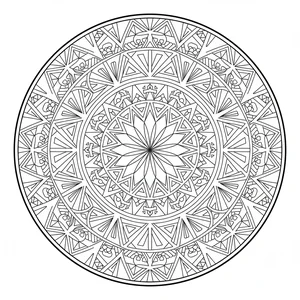
Geometric Mandala
Geometric mandalas with symmetrical shapes and mathematical patterns. Sacred art to color.
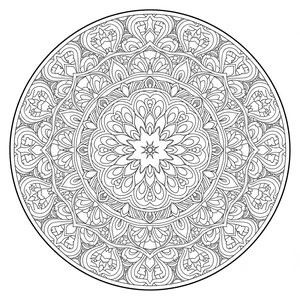
Abstract Mandala
Abstract mandalas with free and creative shapes. Modern art to color without limits.
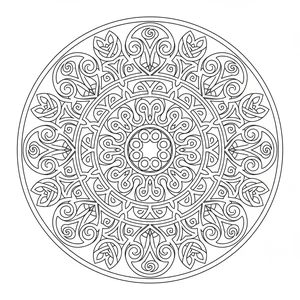
Celtic Mandala
Celtic mandalas with Irish knots and traditional interlacing. Mystical heritage.
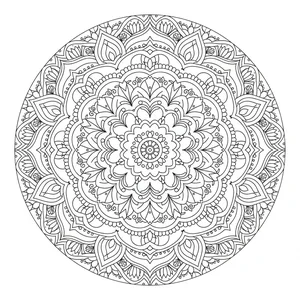
Indian Mandala
Explore our collection of Indian mandalas to color for relaxation and creativity. Download and print for free!
Tibetan Mandala
Dive into the world of Tibetan Mandalas! Discover our collection of coloring mandalas, perfect for relaxation and meditation.
Japanese Mandala
Explore the beauty of Japanese Mandalas! Print our unique designs for free and immerse yourself in a world of relaxation and creativity.
Heart Mandala
Heart-shaped mandalas for Valentine's Day or expressing love. Romantic and free.
Meditation and calm
Made for the long sitting, where the doing matters more than the result.
Zen Mandala
Zen mandalas for meditation and deep relaxation. Find inner peace while coloring.
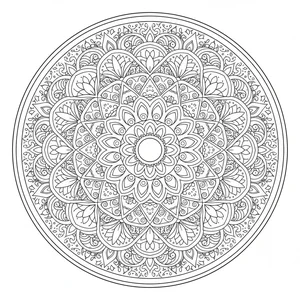
Relaxation Mandala
Find inner peace with our coloring mandalas. Print and relax with the art therapy of mandalas.
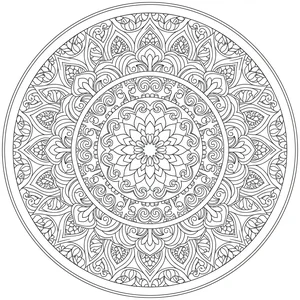
Stress Relief Mandala
Find inner peace with our anti-stress mandalas to color. Hours of relaxation and creativity await you!
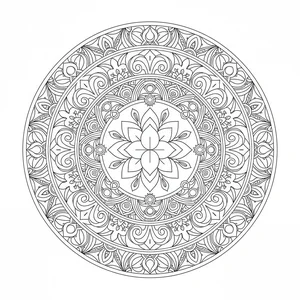
Chakra Mandala
Explore our unique collection of chakra mandala coloring pages. Find harmony and relaxation by coloring these spiritual patterns. Free and easy download!
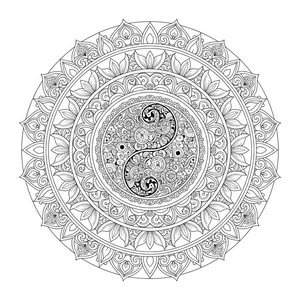
Yin Yang Mandala
Explore our collection of Yin Yang mandalas to color. Find balance and inner peace through the art therapy of coloring.
A format of its own
Reverse colouring: you draw the lines onto a background that is already coloured.
How to choose a printable mandala
The criterion that matters is not the theme but the density of the linework. An easy mandala leaves broad areas you can fill with a marker without a steady hand; a difficult one encloses dozens of zones a few millimetres across, where only a sharp pencil will do. Between the two, most of our pages take a good hour.
- For a child of four to seven: easy or children's mandalas, where every shape stays larger than a coin.
- For a short sitting: geometric themes and stars, whose symmetry colours quickly as you work around the centre.
- For a long evening: difficult, zen or anti-stress mandalas, made to be settled into.
Paper and format
Every mandala here prints at A4. Paper weight matters more than the printer: from 160 gsm alcohol markers stop bleeding through, and at 200 gsm the sheet stays flat once coloured. Ordinary 80 gsm paper is fine for pencils, not for markers.
Frequently asked
Are the coloring pages free?
Yes. The whole catalogue is free to browse and print, with no account and no sign-up.
Can I use them in a classroom?
Yes, for teaching and family use, including multiple copies.
Which mandala should a beginner start with?
An easy floral one: the petals give clear landmarks and the result reads well even with a small palette.
What is reverse colouring?
The usual principle turned around: the background is already coloured and you draw the lines on top. A family of its own, worth trying if classic colouring has begun to pall.